
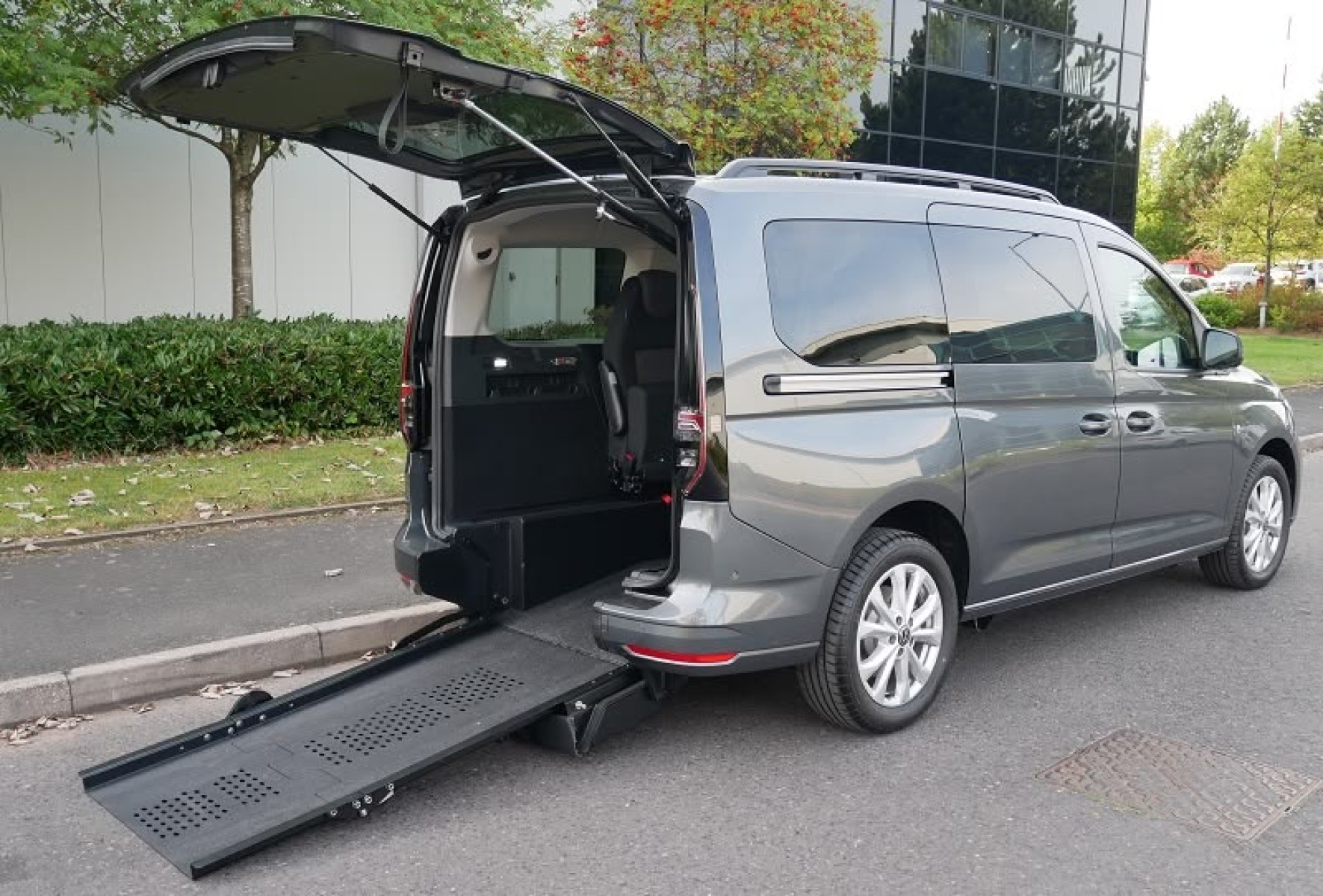
5 Signs Your NEMT Business Is Ready to Expand Its Fleet
Adding a vehicle is one of the biggest decisions NEMT owners face after launch. Buy too early, and you risk taking on payments before your routes generate enough revenue. Wait too long, and you could lose trips to competitors with available vehicles.
Knowing when to expand NEMT fleet right comes down to a few clear signals in your daily numbers, not a gut feeling.
In this blog, we have compiled five signs your business may be ready to add another wheelchair van. We also explain what to check first so the new vehicle supports your cash flow instead of straining it. Each sign comes from numbers you already track.
5 Signs It Is Time to Add Another Vehicle
Check your records for these signs before you decide when to expand NEMT fleet capacity.
- 1
Your Vehicles Stay Full, and You Keep Turning Down Trips
If your vans are operating at or near full capacity most days, the issue is capacity, not marketing; the clearest signs are declined requests, long waits for pickups, and drivers taking back-to-back rides.
Keep a record of the number of trips you turn down each week. For regular types of rides, such as those to dialysis centers or for therapy, you already have the revenue identified. A wheelchair van usually needs between five and nine trips each day to break even, so the new vehicle should have enough waiting demand to reach that figure.
- 2
One Breakdown Can Stop Your Whole Operation
If only one or two vehicles are available, a ramp failure or a delay in receiving a replacement part can halt operations and cause a day's loss of revenue. Without a backup vehicle, each repair risks missed trips, contract issues, and lost rider trust.
You should also consider the vehicle's age. If repair bills are increasing, the car needs to go to the garage frequently, and mileage is getting close to the broker's limits, that could mean it's time to replace the vehicle before an unexpected breakdown forces a hasty replacement.
- 3
Your Cash Flow Is Steady and Your Reserve Is Intact
Strong revenue alone isn't enough; because Medicaid and broker payments typically arrive 45 to 90 days after the trip, you pay for the van before you're compensated for its first trips.
One good point is that you pay your bills on time, fund the NEMT insurance from your regular income, and still have a reserve left over after making your current loan payments; since a complete commercial package can cost between $5,000 and $15,000 per vehicle each year, you should include that amount in your plan.
- 4
New Contracts or Service Needs Are Waiting
Good reasons to expand include establishing a new facility account, an increase in broker volume, or a request your fleet cannot meet. Dialysis centers, oncology clinics, and senior living communities generally require weekly scheduled rides.
Assign the type of vehicle to the respective service. Because different trips, such as those involving multiple wheelchairs, bariatric passengers, and long journeys, require different amounts of space and equipment, review the various NEMT services and compare side-entry and rear-entry vehicles before choosing.
- 5
The Payment Works Even in a Slow Month
If you consider slower weeks rather than your best month, the new payment should still be manageable even if your trips decrease or reimbursement is delayed.
The way financing is structured allows terms of up to 72 months, and with simple-interest loans that have no prepayment penalty, you can reduce your debt early if your business is doing well.
Test payment ranges with our payment calculator. Some ADA-related modifications may also qualify for a tax deduction of up to $15,000, so ask your tax professional.
What to Check Before You Finance Another Vehicle
Before financing another vehicle, calculate the full purchase cost, confirm insurance and broker requirements, and assess how the loan will affect your cash flow.
-
Get one written quote for the full vehicle, including chassis, conversion, equipment, taxes, and fees. The conversion alone can be 40 to 50 percent of the completed value.
-
Confirm insurance costs and any broker or facility vehicle requirements first.
-
Decide your down payment, but keep enough cash for payroll, fuel, and repairs.
-
Compare amount financed, rate, term, and total interest, not just the monthly payment.
Planning Your Next Vehicle?
Falls Mobility Finance helps you plan your next vehicle. If you are weighing a second or third van, our team can walk you through NEMT vehicle financing and your business loan options. Call us when you are ready to talk it through.
Frequently Asked Questions
How many vehicles should an NEMT business have before adding another?
There is no fixed number. Add a vehicle when your current ones run near capacity, you are turning down trips, and your reserve stays healthy after loan payments.
Can I finance a used wheelchair van for my NEMT business?
Yes. Falls Mobility Finance offers commercial wheelchair van financing for new and pre-owned accessible vehicles, subject to vehicle and applicant requirements. Have a professional inspect the conversion as well as the chassis.
Will a second van hurt my cash flow?
It can if the payment ignores slow months. A longer term lowers the monthly amount, and no prepayment penalty lets you pay extra later.
Final Takeaway
The best answer to when to expand NEMT fleet is already in your own records: full vans, steady cash, waiting demand, and a payment that holds up in a slow month. If most of these five signs describe your business, you are likely ready to grow. Choose a vehicle and a loan that protects your working capital.