
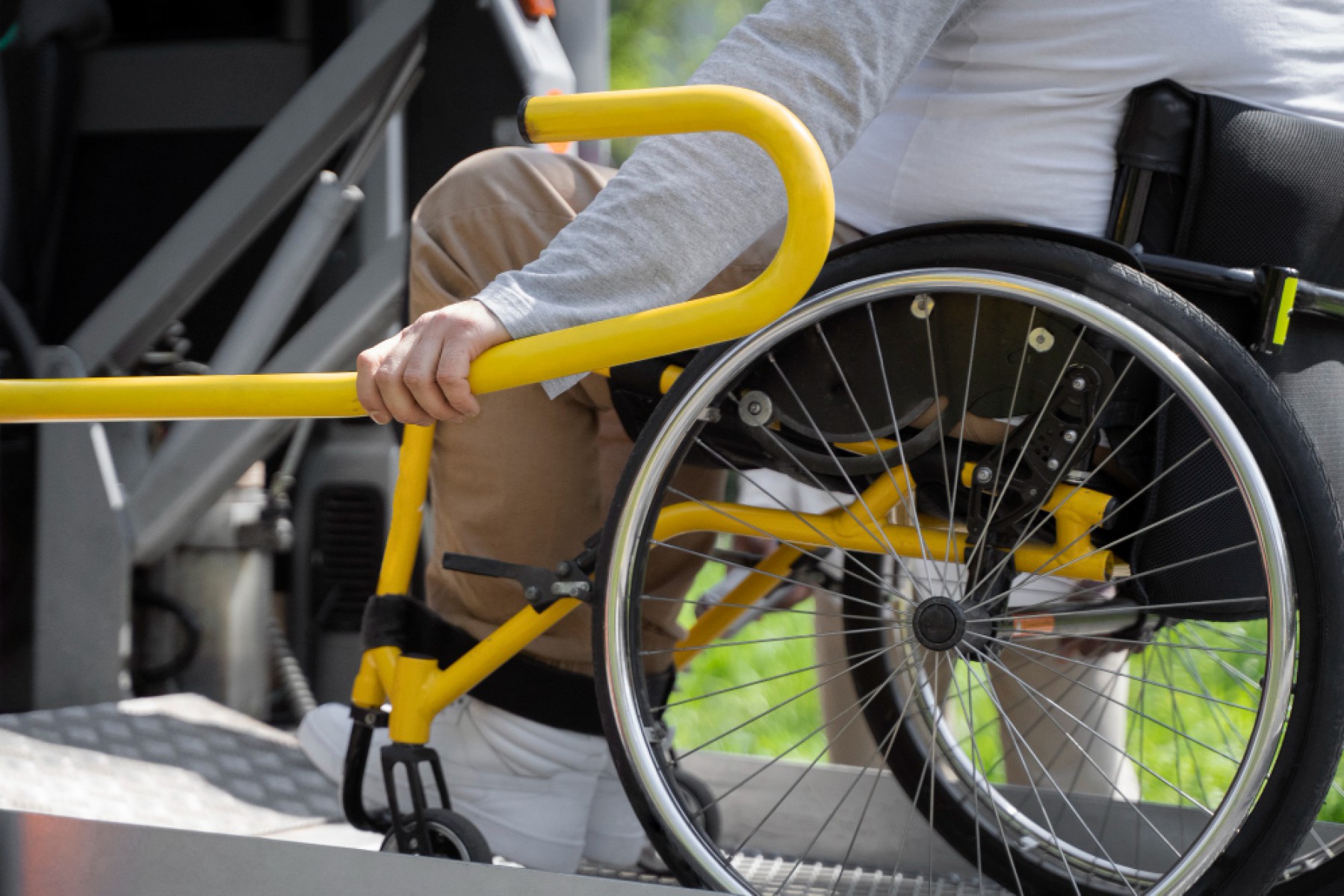
If you're weighing the cost of a <a href="https://www.fallsmobility.com/blog/how-long-do-wheelchair-accessible-vans-last"wheelchair accessible</a> van against how many years you'll get out of it, that's fair to ask before a major purchase. Wheelchair accessible vans typically last as long as their base vehicle platform, often 10 to 15 years or more with proper maintenance, though the conversion equipment itself may need attention sooner.
This guide breaks down what affects that lifespan and how to get the most from your investment.
Key Takeaways
-
Wheelchair accessible vans generally last as long as their base vehicle, often 10 to 15 years with good care.
-
Conversion equipment, including ramps and lifts, typically wears faster than the vehicle itself.
-
Mileage, driving conditions, and maintenance habits all affect how long a van stays reliable.
-
Regular inspections of the ramp, lift, and securement systems help catch problems before they become costly.
-
New and pre-owned wheelchair accessible vans come with different lifespan expectations.
What Determines How Long a Wheelchair Accessible Van Lasts?
A wheelchair accessible van's lifespan depends on two systems: the base vehicle and the conversion equipment. The base vehicle follows the same wear patterns as any standard vehicle, whether a minivan or full-size van. The conversion, including the ramp or lift, floor modifications, and securement hardware, often experiences more stress than a standard vehicle's daily components, so overall usable life depends on how well both are maintained.
How Many Years Can You Expect From the Base Vehicle?
Most wheelchair-accessible vans use popular platforms like the Chrysler Pacifica, Honda Odyssey, or Ford Transit, which typically last 10 to 15 years or 150,000 to 200,000 miles with routine maintenance. A few factors influence where a van falls in that range:
- ✓
Driving conditions: Vans used for short local trips wear less than those driven long distances daily.
- ✓
Maintenance history: Regular oil changes, brake service, and fluid checks significantly extend the usable life.
- ✓
Climate exposure: Vehicles in areas with road salt or extreme heat may show more wear on the frame and undercarriage.
How Long Does the Wheelchair Conversion Itself Last?
The conversion equipment, particularly the ramp or lift mechanism, tends to show wear before the base vehicle does. Power ramps and lifts involve motors and hydraulic or electric components that are subject to repeated use with every load.
With proper care, most conversions last 8 to 12 years, though heavy daily use can shorten that window. Manual ramps have fewer components that can fail, meaning a longer service life than powered systems, though they require more effort to operate.
How Can You Extend the Life of a Wheelchair Accessible Van?
- 1
Follow the Maintenance Schedule
The vehicle and conversion equipment have separate service recommendations.
- 2
Inspect the Ramp or Lift Regularly
Catching worn cables, hinges, or hydraulic leaks early prevents costlier repairs.
- 3
Keep Securement Systems in Good Condition
Worn straps or anchors should be replaced promptly, since they affect safety as much as longevity.
- 4
Work With a Mobility-Specialized Service Center
Standard shops may not be familiar with conversion components, so a specialist often catches issues sooner.
Should You Buy New or Pre-Owned?
Both options come with different lifespan expectations. A new van provides the full expected life of both the vehicle and the conversion, plus manufacturer warranties. A pre-owned van costs less upfront but may have fewer years remaining, depending on age, mileage, and maintenance history.
Falls Mobility works with a network of mobility dealers that offer both new and pre-owned wheelchair-accessible vans, making it easier to compare options. Financing also plays a role here, since wheelchair van financing with terms up to 10 years for qualified retail buyers can make a new van more accessible.
Frequently Asked Questions
How often should the wheelchair ramp be serviced?
Most manufacturers recommend an annual inspection at minimum, though daily-use vans may benefit from more frequent checks. Regular servicing catches mechanical wear before it causes a breakdown.
Does mileage matter more than age for wheelchair vans?
Both matter, but mileage often affects mechanical parts more, while age affects rubber seals, hoses, and electrical connections. A low-mileage older van may still need parts replaced due to time rather than use.
Can a wheelchair van conversion be transferred to a new vehicle?
In some cases, yes, depending on conversion type, vehicle compatibility, and manufacturer guidelines. This is more feasible with aftermarket conversions than factory-integrated systems.
What warning signs indicate a wheelchair van needs major repairs?
Unusual noises from the ramp or lift, slower operation, warning lights, or visible rust on the undercarriage are common signs. Addressing these early costs less than waiting until failure.
Is it worth repairing an older wheelchair accessible van?
It depends on repair cost relative to remaining lifespan and the cost of a replacement. A mobility dealer or service specialist can help evaluate whether repair or replacement makes more sense.
Final Thoughts
Wheelchair accessible vans can provide a decade or more of reliable service when the base vehicle and conversion equipment get consistent care. Understanding what affects that lifespan helps you plan realistically, whether maintaining a current van or budgeting for your next one.
Ready to explore your next wheelchair accessible van? Apply for wheelchair van financing with Falls Mobility and take the next step toward a vehicle built to last.