
How Insurance Affects Your Wheelchair Van Financing Approval?
Insurance plays an important role when financing a wheelchair-accessible van. While lenders primarily review credit history, income, the vehicle's value, and the loan amount, insurance can also affect the final steps before you complete the purchase.
Understanding insurance wheelchair van financing approval requirements can help you prepare the right documents, avoid delays, and plan for the full cost of ownership. Because wheelchair vans include specialized conversions, ramps, lifts, and other accessibility equipment, you should understand how insurance coverage applies to the entire vehicle before finalizing your financing.
Does Insurance Affect Wheelchair Van Financing Approval?
Yes, insurance can affect the financing process, especially when the lender requires proof of coverage before funding or delivering the vehicle. However, insurance approval and loan approval are two separate decisions.
A lender evaluates whether you qualify for the loan and whether the vehicle meets its financing requirements. An insurance company assesses the risk of covering the vehicle and determines the available coverage, premium, and policy terms.
You may qualify for a loan but still need to arrange suitable insurance before the purchase can be completed. Preparing for both processes early can help prevent unnecessary delays.
Ways Insurance Can Affect Your Financing Process
Meeting the Lender's Insurance Requirements
Many auto lenders require borrowers to maintain comprehensive and collision coverage on a financed vehicle. These coverages help protect against certain types of damage to the vehicle, subject to the policy terms and deductible.
Your lender may set minimum coverage limits, deductible requirements, and other conditions. Confirm these details directly with the financing provider rather than assuming a standard auto policy will meet them.
Ask your insurance agent to review the lender's requirements before you finalize the purchase. This helps you identify any coverage gaps while there is still time to address them.
Insuring the Complete Wheelchair-Accessible Van
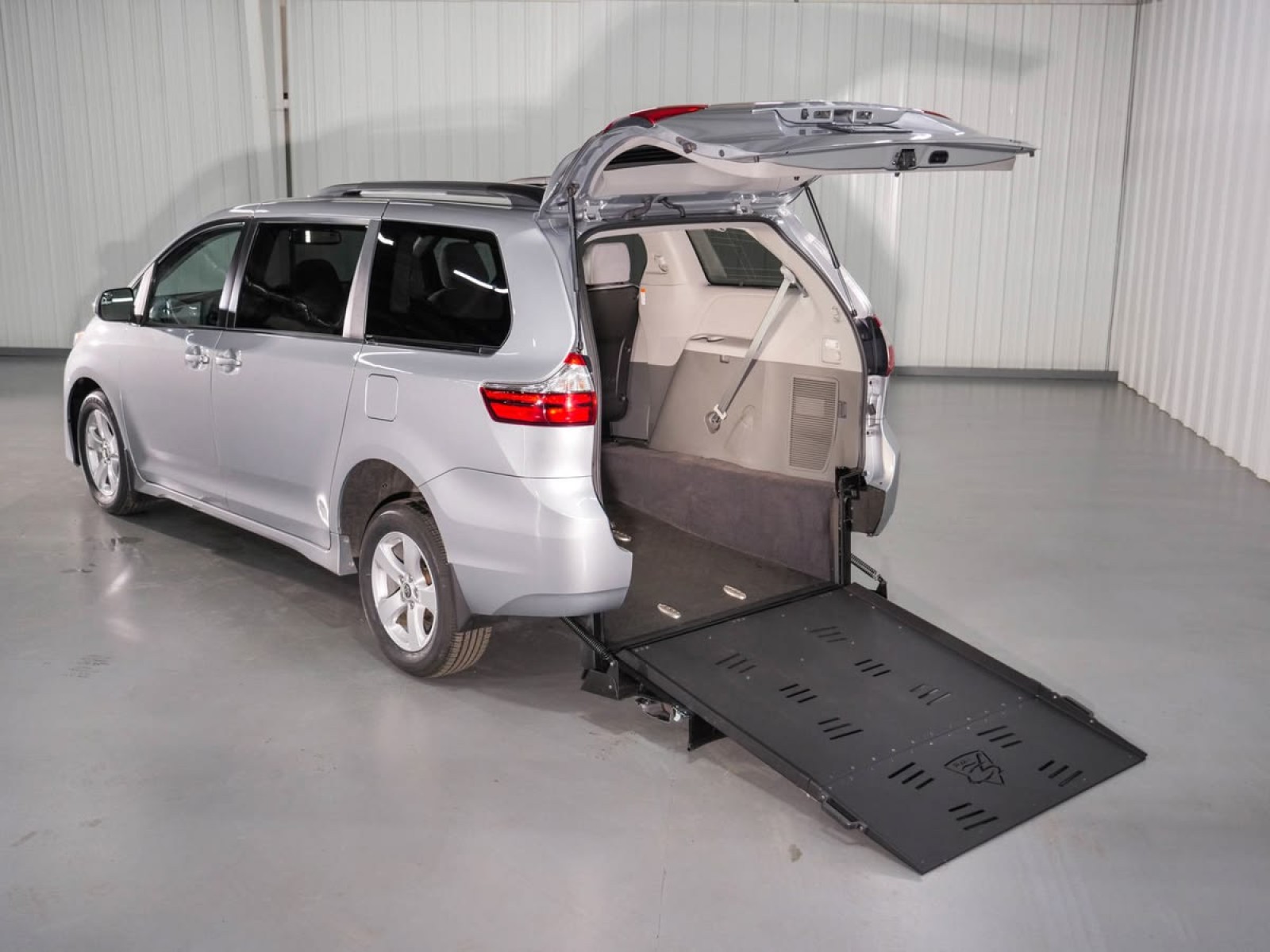
A wheelchair-accessible van is more than its base vehicle. Its total value may include a lowered floor, a ramp or lift, wheelchair securement systems, and other accessibility modifications.
When arranging insurance wheelchair van financing approval, make sure your insurer understands that the vehicle has been converted for accessibility. Ask whether the policy covers the conversion equipment and how the insurer determines the vehicle's insured value.
Do not assume that every standard auto policy automatically covers the full cost of specialized equipment. Confirm the applicable coverage, exclusions, and valuation method in writing.
Understanding Premiums and Your Monthly Budget
Insurance premiums are an important part of your total ownership costs. The amount you pay can depend on factors such as your location, driving history, vehicle details, coverage limits, deductible, and insurer.
A higher premium does not automatically mean your financing application will be denied. However, lenders may review your existing financial obligations and ability to manage the proposed monthly payment.
Before committing to a vehicle, calculate the combined cost of:
-
Monthly loan payments
-
Insurance premiums
-
Fuel and routine maintenance
-
Ramp or lift servicing and repairs
-
Registration, taxes, and other ownership expenses
This gives you a more realistic picture of affordability and helps you choose a vehicle that fits your budget.
Avoiding Delays Before Loan Funding
Incomplete paperwork can slow down the final stages of a financing transaction. If your lender requires proof of insurance before funding, you may need to provide an insurance binder, declarations page, or other accepted documentation.
Confirm which documents are required, when coverage must begin, and whether the lender needs to be listed as a loss payee.
Coordinate with your insurer and financing provider so the policy details match the vehicle being purchased. The vehicle identification number (VIN), coverage dates, and other required information should be accurate.
How to Prepare for Wheelchair Van Financing Approval
Taking a few steps before applying can make the financing process easier to manage.
-
Review your Finances: Check your credit profile, income, existing debt, and available down payment.
-
Confirm the Complete Vehicle Price: Include the base vehicle, accessibility conversion, equipment, taxes, and fees.
-
Request Insurance Quotes: Share the vehicle details and conversion information with your insurer to obtain an accurate estimate.
-
Check Coverage Requirements: Ask the lender about required coverage limits, deductibles, and proof of insurance.
-
Organize your Documents: Keep your identification, income information, vehicle purchase details, and insurance paperwork ready.
-
Compare the Full Cost: Review the loan terms, insurance premium, and ongoing maintenance costs before making a final decision.
These steps can help you identify potential issues early. Keep in mind that loan eligibility depends on the lender's specific criteria, and preparing your documents does not guarantee approval.
Explore Your Wheelchair Van Financing Options
If you are preparing to purchase a new or pre-owned mobility van, you can learn about our wheelchair van financing options or apply online to get started. You can also call us to discuss your financing questions with the team.
Frequently Asked Questions
Can I get wheelchair van financing before arranging insurance?
You may be able to apply for financing and get a loan decision before securing insurance, but many lenders require proof of adequate insurance before they fund the loan or complete the purchase. It is important to check the timing with your lender.
Does wheelchair van insurance cost more than standard auto insurance?
It depends on the vehicle's value, accessibility, coverage needs, driving record, and insurer; get quotes for the fully converted vehicle, not just the base model.
What insurance documents might a lender request?
Depending on the lender, you may need an insurance binder, declarations page, or other proof of coverage. Your lender will explain the required documents and any specific policy conditions.
Final Thoughts
Insurance is an important part of planning for wheelchair van ownership. Although it's usually not the only factor in a lender's decision, meeting coverage requirements, insuring the accessibility conversion, and budgeting for premiums can help you prepare for the purchase.
Understanding insurance wheelchair van financing approval requirements early allows you to coordinate with your insurer and lender, reduce avoidable delays, and make a more informed financial decision.