
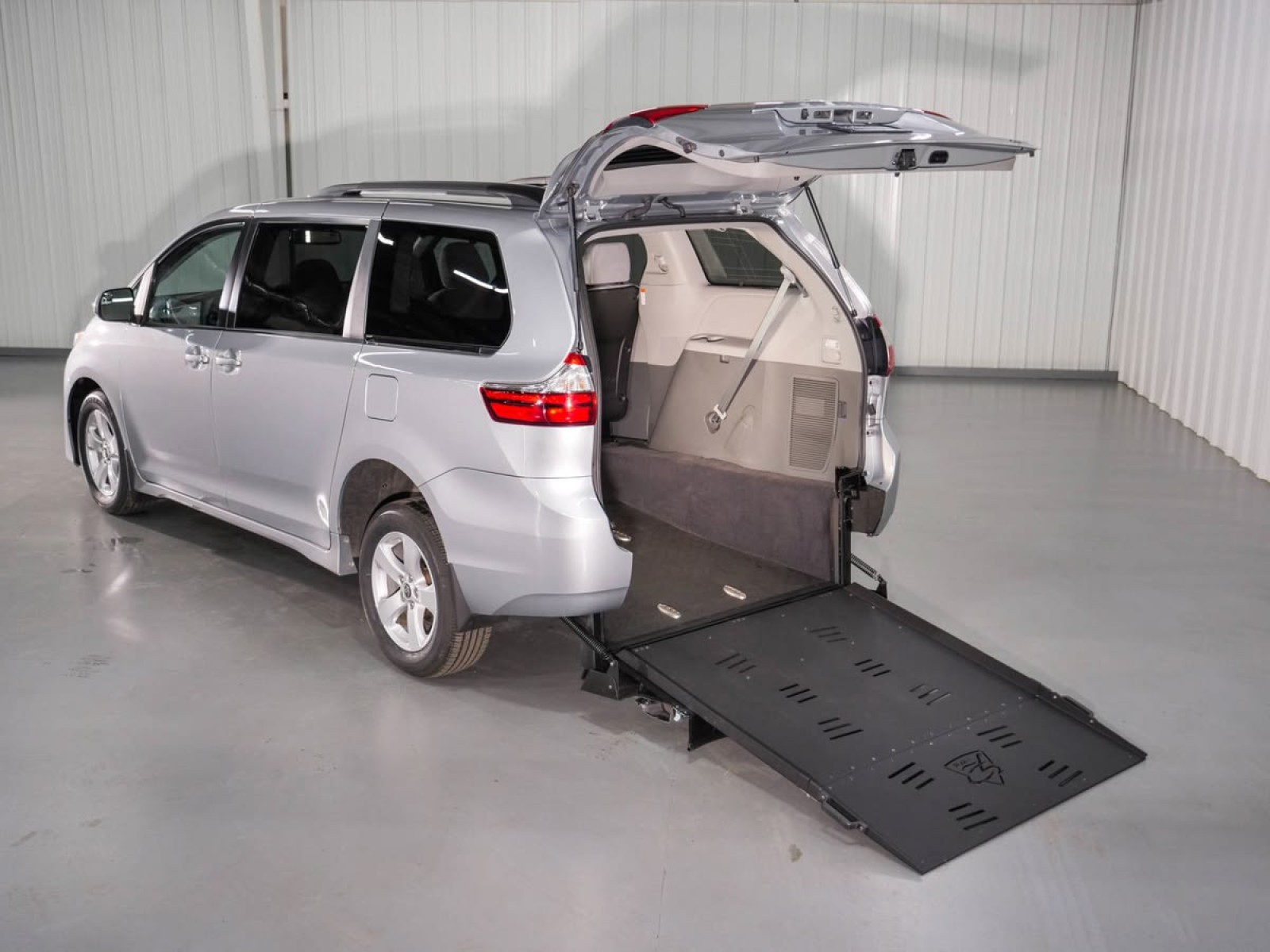
Private Pay vs. Medicaid NEMT Vehicles: Does Financing Differ?
Financing a private pay van and a Medicaid NEMT van involves similar costs, but lenders may assess each business differently. Private pay vs. Medicaid NEMT financing depends on how the business generates revenue, how quickly payments arrive, and how much cash remains for operating expenses.
Both vehicle types may require costly wheelchair conversions, making it important to account for the full purchase price and ongoing costs.
Understanding these differences can help NEMT owners choose financing that fits their revenue cycle and remains manageable during slower months.
How Revenue Models Affect NEMT Vehicle Financing
The difference between private pay and Medicaid NEMT financing depends on how the business earns revenue, not the vehicle used. Lenders will finance the same van but will look at how the owner generates revenue, how promptly the payments come in, and how reliably the business can meet its loan obligations.
The cost of converting vehicles also matters for both models; wheelchair conversions can make up about 40 to 50 percent of the finished vehicle's total value. If a traditional car lender finances only the factory-built chassis, the owner will likely have to pay a large portion of the conversion cost themselves.
What is the Similarity in Both Models
Every NEMT vehicle is a commercial asset. The buyer still needs a complete buyer's order, the vehicle identification number, conversion details, and seller information.
Approval, rate, term, and down payment depend on the specific program and credit review. A lender that understands wheelchair-accessible vehicles will look at the whole van, conversion included.
Where Private Pay and Medicaid NEMT Financing Differ
Payment Timing and Cash Flow
Private pay riders usually arrive at or around the time of the trip, while Medicaid or broker payments may come much later. This delay can make it hard to meet a loan payment due on the first of the month, even if trip volume appears steady.
Test the payment with a reimbursement timeline that is realistic rather than using your best week.
Contracts and Vehicle Requirements
Medicaid NEMT contracts often involve brokers or facilities with specific vehicle requirements. A van may be ineligible if it exceeds the broker’s age limit, fails to meet insurance requirements, or cannot accommodate a rider’s needs. Private pay services may offer more flexibility, but the vehicle’s insurance must still cover its intended use.
Confirm all broker, facility, accessibility, and insurance requirements before signing the vehicle purchase order.
Down Payment and Operating Reserve
A larger down payment reduces the loan amount. It can also drain the money needed for insurance deposits, payroll, fuel, and repairs.
Owners waiting on broker payments usually need a deeper reserve. Owners who collect from riders still need one, because a cancelled week hits every operator.
Credit Reporting and Personal Guarantees
A company new to you might require an owner or guarantor, depending on the type of payments it handles. Find out whose name appears on the note and the title, and also check whether the payments are reported to personal credit, business credit, both, or neither.
From the start, keep your business banking and records separate from your personal accounts.
How to Choose the Right Loan Structure
No matter which side of private pay vs. Medicaid NEMT financing you sit on, start with your slowest month, not your busiest. Then compare these numbers across every offer:
-
Amount financed and annual percentage rate
-
Term and total interest
-
Down payment and fees
-
Prepayment terms
A longer term lowers the payment but can raise total interest. Falls Mobility Finance offers wheelchair van loans with terms up to 72 months, and our payment calculator shows how term changes the monthly payment.
New to the business? Learn about how to become an NEMT provider, then review NEMT startup loans. Established fleets can look at commercial financing. A tax deduction may also apply, so ask a tax professional.
Talk Through Your NEMT Vehicle Financing
Choosing the right financing structure starts with understanding your business’s revenue, operating costs, and vehicle needs. Browse our NEMT loans to review your options, or contact our team to discuss your questions. When you are ready, you can apply online.
Frequently Asked Questions
Does Medicaid pay for an NEMT vehicle?
Generally no. Medicaid NEMT programs pay for eligible trips, not for the operator's van. The owner still has to buy or finance the vehicle, and rules vary by state.
Can a startup finance an NEMT vehicle?
Certainly, a startup could finance a vehicle for an NEMT program. Specific arrangements vary, and the lender may consider the owner's credit rating, income, liquidity, business experience, and the vehicle itself. A clear service plan and all required documents help.
Is an NEMT loan different from a personal auto loan?
An NEMT loan is not the same as a personal auto loan; an NEMT vehicle generates income, transports passengers, and must comply with insurance and contractual requirements. Using a personal auto loan for a commercial passenger van would violate the loan terms or insurance regulations.
Final Takeaway
When it comes to private pay vs. Medicaid NEMT financing, the issue is less about the van and more about the business aspects. Plan for when payment is due, check the payer's rules before you buy, and keep enough cash after the transaction is complete. The appropriate lender will provide financing for the entire vehicle, including the conversion.