
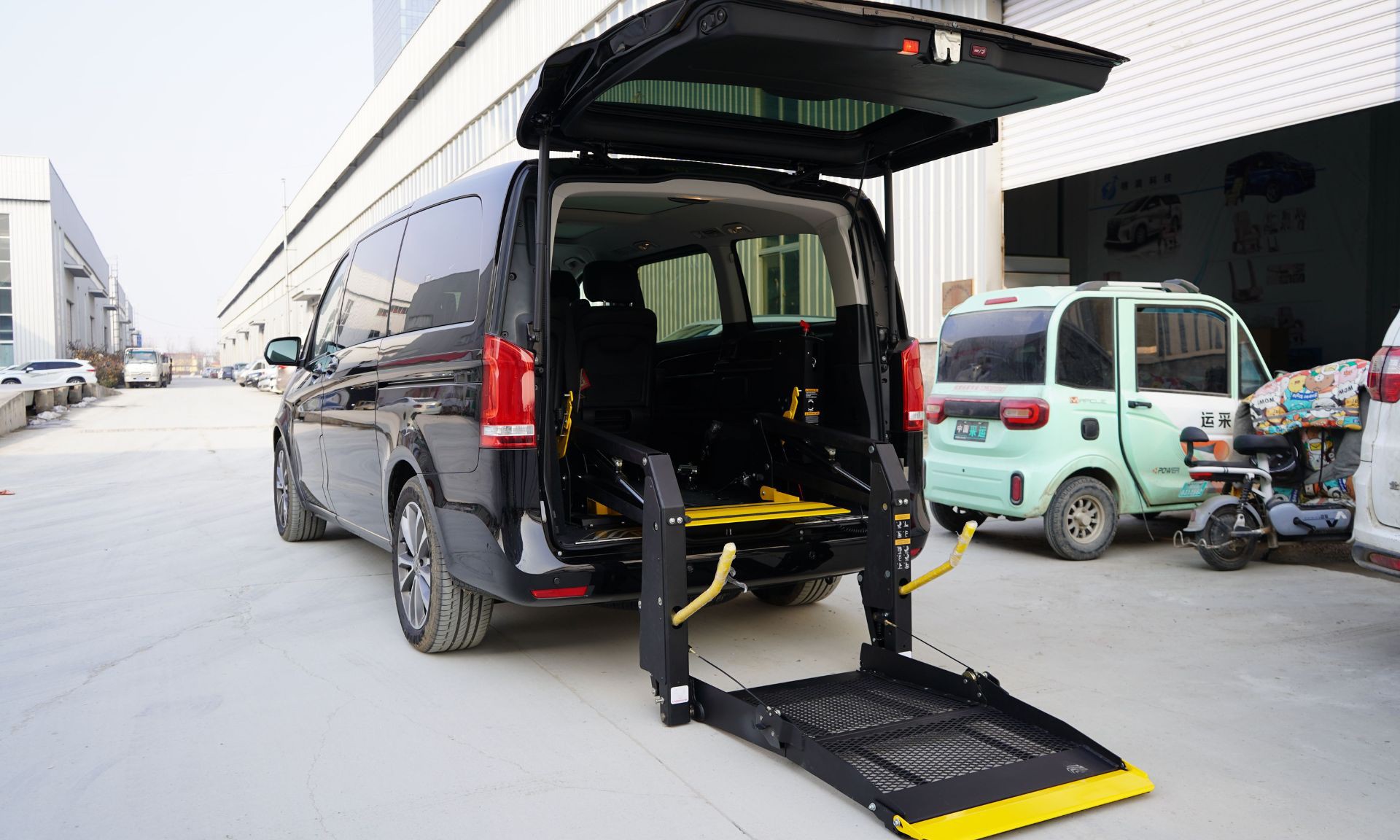
5 Wheelchair-Accessible Vehicle Platforms to Consider for 2026
The best wheelchair-accessible vehicle is the one that fits the person, the wheelchair, the caregiver or driver, and the way the vehicle will actually be used. The badge on the grille matters, but the conversion usually matters just as much.
That distinction is especially important in 2026. A minivan built for family travel, a full-size van built for commercial service, and an SUV conversion can all be excellent choices for different reasons. This guide is an unranked comparison of five strong platforms, not a claim that one vehicle is best for every buyer.
Before comparing models, measure the occupied wheelchair height, overall chair width and length, combined rider-and-chair weight, and the space needed to maneuver. Then test the exact converted vehicle whenever possible. Conversion dimensions and seating layouts can vary even when the base vehicle is the same.
What to Compare Before Choosing a Platform
- Entry location: Side entry may allow access to the front passenger or driver position in some conversions. Rear entry is often practical for a caregiver-driven vehicle and may work better in standard parking spaces.
- Ramp or lift: Confirm the usable width, weight rating, slope, ground clearance, and manual backup procedure.
- Interior dimensions: Advertised floor-to-ceiling height is not the same as usable clearance at the doorway, ramp transition, or wheelchair position.
- Seating plan: Decide whether you need a wheelchair driver, front passenger access, multiple ambulatory seats, or room for more than one wheelchair.
- Service and support: Ask who manufactured the conversion, who services it locally, how warranties are divided, and how quickly replacement parts are available.
- Complete cost: Compare the finished accessible vehicle, not just the unconverted chassis. The conversion can represent roughly 40 to 50 percent of the vehicle's total value.
5 Platforms to Consider for 2026
1. Chrysler Pacifica or Voyager
Best for: Families, caregivers, and organizations that want a minivan-sized platform with a refined ride and broad conversion availability.
Why it stands out: Chrysler minivans remain widely used as side-entry and rear-entry conversion platforms. Depending on the conversion, buyers may find flexible seating, power-ramp options, and access to the front passenger position or driver area.
What to confirm: The Pacifica and Voyager do not offer identical trims or conversion choices. Verify the exact model year, trim, floor configuration, door opening, ramp width, ground clearance, and seating plan with the conversion manufacturer, but the final fit must be checked on the specific vehicle.
2. Toyota Sienna Hybrid
Best for: Buyers who want a minivan platform and place a high value on fuel economy, long-term ownership, and available all-wheel-drive configurations.
Why it stands out: The Sienna's hybrid powertrain can be attractive for high-mileage personal use and some transportation businesses. Multiple mobility manufacturers offer current Sienna conversions, including side-entry and rear-entry layouts.
What to confirm: Conversion availability can depend on drivetrain, trim, and entry style. A lower floor, added equipment, and operating conditions can affect real-world fuel economy and payload. Confirm that the selected conversion supports the wheelchair position and passenger count you need.
3. Chevrolet Traverse Accessible SUV
Best for: Buyers who prefer SUV styling and want an accessible option outside the traditional minivan category.
Why it stands out: The Traverse expands the set of consumer <a href="https://www.fallsmobility.com/blog/top-wheelchair-accessible-vehicles"vehicle platforms available for wheelchair access</a>. For some households, its appearance, cabin feel, and driving position may be more appealing than a minivan.
What to confirm: Accessible SUV conversions are more specialized and may have fewer configurations or service points than established minivan platforms. Several mobility manufacturers currently offer the Chevrolet Traverse as an accessible SUV platform for 2026. Confirm production timing, local availability, usable dimensions, seating positions, and service support before committing.
4. Ford Transit
Best for: NEMT operators, adult day programs, senior living organizations, and larger families that need more capacity or commercial-duty flexibility.
Why it stands out: The Transit is available in multiple lengths and roof heights and can support commercial upfits with lifts, securement systems, and flexible seating. It is often better suited than a minivan when the route requires several passengers or more than one mobility device.
What to confirm: The base van and the completed accessible upfit are separate parts of the decision. Verify gross vehicle weight, usable payload after conversion, lift capacity, aisle width, emergency exits, wheelchair positions, HVAC, state or contract requirements, and whether the completed vehicle can be serviced in your operating area.
5. Ram ProMaster
Best for: Commercial buyers seeking a front-wheel-drive cargo-van platform with a wide, box-shaped interior for a custom passenger upfit.
Why it stands out: The ProMaster's interior shape can give qualified upfitters flexibility when designing wheelchair positions, seating, and equipment storage. It can be a practical platform for NEMT and community transportation when properly converted and certified for the intended use.
What to confirm: Commercial conversions vary substantially. Do not assume that every ProMaster passenger upfit meets the same safety, seating, lift, or state requirements. Review the completed vehicle's documentation, payload, lift and securement specifications, warranty responsibilities, and local service plan.
Retail Versus Commercial Use
A household buyer and an NEMT operator may look at the same platform very differently. Personal buyers often prioritize ease of entry, parking, ride quality, caregiver needs, and access to the front row. Commercial buyers also have to consider passenger capacity, route mileage, insurance, driver training, inspection rules, contract specifications, downtime, and revenue per trip.
For an NEMT business, start with the service model before selecting the vehicle. Ambulatory trips, wheelchair trips, bariatric service, and stretcher transportation do not use the same vehicle or equipment. Requirements also vary by state, payer, broker, and facility contract.
Common Shopping Mistakes
- Choosing a base model before confirming that the desired conversion is available for that exact year, trim, and drivetrain.
- Relying on brochure measurements instead of testing the rider in the completed vehicle.
- Assuming a ramp or lift rating automatically guarantees enough payload for all passengers and equipment.
- Comparing sticker prices without including the conversion, taxes, title fees, delivery, securement equipment, and expected maintenance.
- Buying a commercial vehicle before confirming insurance and contract requirements.
Financing the Complete Accessible Vehicle
A wheelchair-accessible vehicle is a specialized asset. Conventional auto lenders may understand the base vehicle but give little or no value to the conversion, even when that conversion represents a large share of the purchase price. That can create a financing gap.
Falls Mobility Finance focuses on financing the complete accessible vehicle, including the chassis and qualifying conversion. Programs are available for personal wheelchair-van financing and for qualified NEMT and commercial transportation businesses . Approval, rate, term, and down-payment requirements depend on the applicant, vehicle, conversion, and transaction.
Frequently Asked Questions
Is there one best wheelchair-accessible vehicle for 2026?
No. The right choice depends on rider dimensions, entry preference, seating position, caregiver or driver needs, passenger capacity, parking, service support, and budget. This list is intentionally unranked.
Should I choose the chassis or the conversion first?
Treat them as one decision. Confirm that the conversion you need is available on the exact chassis, model year, trim, and drivetrain before buying either component.
Can an accessible minivan work for an NEMT business?
It may work well for some wheelchair and ambulatory services, but not every contract or passenger profile. Confirm state, broker, insurer, payload, seating, and equipment requirements first.
Can the conversion be included in the financing?
Often, yes. A specialty lender can evaluate the completed vehicle rather than treating the conversion as an unsupported add-on. Final eligibility depends on the transaction and credit review.
Final Takeaway
The strongest 2026 platform is the one that passes a real-world fit test and supports the vehicle's intended job. Compare the completed conversion, verify service and compliance details, and structure financing around the full accessible vehicle rather than the chassis alone.